
Blogs
Scalp Micropigmentation in Yorkshire: Benefits of Scalp Micropigmentation
Immediate, Natural-Looking Results
Unlike hair transplants or topical treatments that take months (if not years) to show visible results, SMP delivers immediate effects. After just a few sessions, you’ll notice a fuller, more youthful look. Whether you want to recreate a hairline, camouflage thinning areas, or cover scars from past surgeries, the results are instant.
A Non-Invasive Procedure with Minimal Downtime
One of the biggest advantages of scalp micropigmentation is that it’s non-invasive. There’s no surgery involved, no incisions, and no need for anaesthetic. Unlike hair transplants, which involve cutting and grafting, SMP only requires the application of pigment through micro-needles.
This means the recovery time is minimal. Most clients can return to their regular activities within a day or two after the treatment, with only minor aftercare needed. Compared to other hair restoration treatments, SMP is far less time-consuming and doesn’t require any major lifestyle adjustments during the healing process.
The pigments are carefully matched to your natural hair colour and skin tone, ensuring that the finished look is incredibly realistic. From a few feet away, most people can’t tell that it’s not real hair.
Low Maintenance
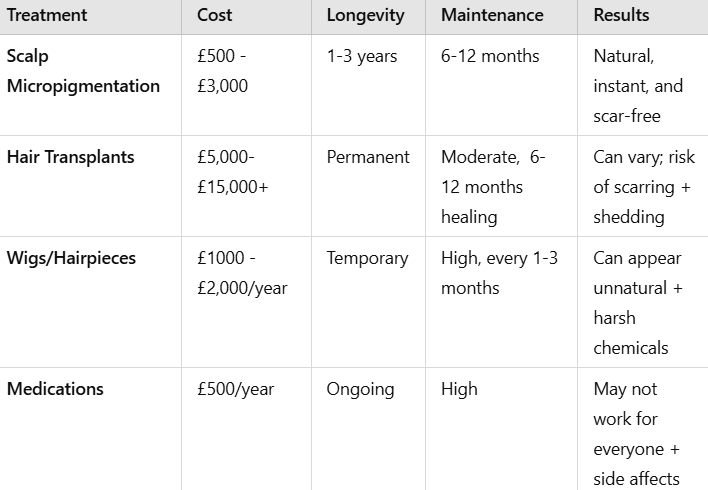
Once you’ve undergone SMP, there’s little to no maintenance required. Unlike hair transplants or treatments like Rogaine or Propecia, which require constant upkeep, SMP stays intact with minimal effort. There’s no need for special shampoos, conditioners, or serums. Just a regular hygiene routine will suffice.
One session touch-ups are required every year or so to keep the colour looking fresh, but beyond that, there’s no additional commitment needed.
Safe and Low Risk
SMP is a safe and low-risk procedure when performed by a trained professional. The pigments used are hypoallergenic, and because it’s a non-invasive treatment, the risks associated with infections, scarring, or complications are extremely low. Most people experience only mild redness following the procedure, which fades within a few days.
Scalp Micropigmentation or Hair Transplant: Which is Right for You?
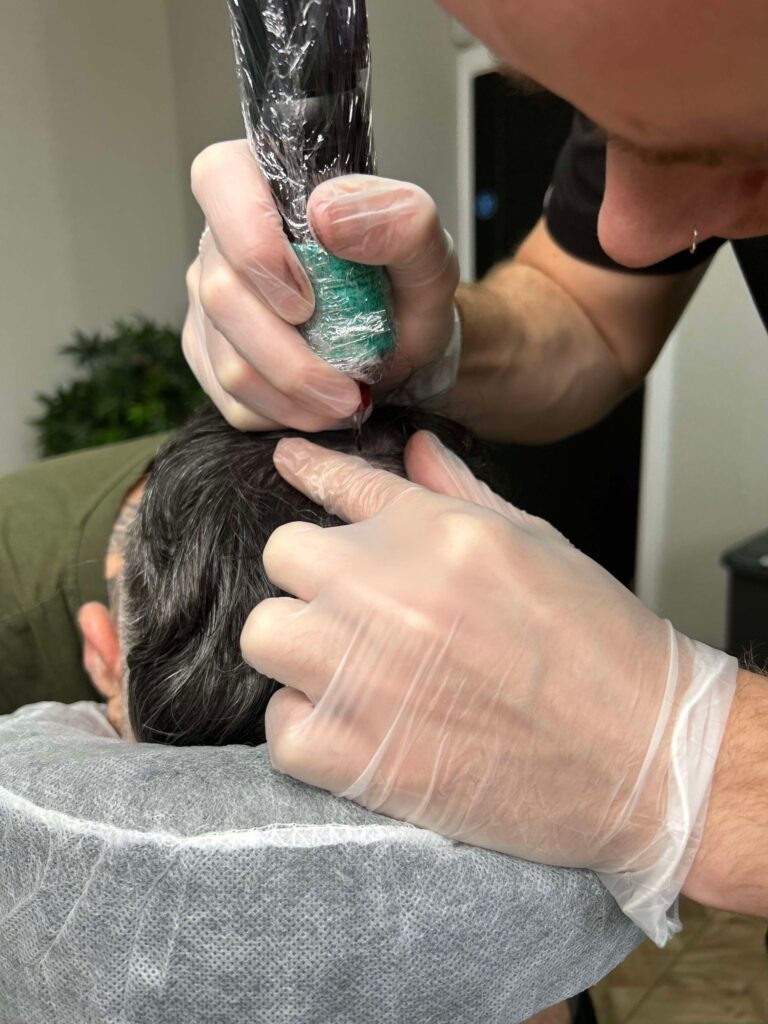
Scalp micropigmentation (SMP) is a non-invasive procedure that requires minimal downtime and delivers immediate results. Most people can return to their regular activities within days, making it a relatively painless option with low risk of complications. It’s generally more affordable than hair transplants, as it doesn’t involve surgery. SMP is low-maintenance, requiring touch-ups every few years to maintain the pigment’s vibrancy. In contrast, a hair transplant is a surgical procedure that requires weeks of recovery, with swelling, scabbing, and a longer healing process. While it offers the advantage of growing natural hair, it’s more costly and demands ongoing care, including the potential use of medications like Rogaine or Finasteride.
When deciding between SMP and a hair transplant, it’s important to consider your personal goals and lifestyle. SMP provides an immediate, low-maintenance solution ideal for those who prefer a shaved or closely cropped look, while a hair transplant is better suited for individuals looking to regrow natural hair over time. Hair transplants are most effective for those with a healthy donor area and can offer more permanent results. Both treatments offer significant psychological benefits, helping to restore confidence and self-esteem, so consulting with a specialist can help you determine which option is best for you.
Hair Loss Medication: What are DHT blockers & how do they work?
Hair loss is a common concern for many, especially as they age. Whether it’s a receding hairline, thinning at the crown, or general hair loss, the emotional impact can be significant. As more treatments become available, people are increasingly turning to medications like Finasteride and other DHT (dihydrotestosterone) blockers to combat hair loss. But what exactly are these treatments, and how effective are they?
Dihydrotestosterone (DHT) is an androgen hormone, a by-product of testosterone. It plays an essential role in developing male characteristics, but it also has a less desirable effect—it contributes to hair loss, particularly in those genetically predisposed to androgenic alopecia (commonly known as male-pattern baldness). DHT binds to receptors in hair follicles, causing them to shrink, weaken, and eventually stop producing hair altogether.
This is where DHT blockers come into play. By reducing DHT levels or blocking its effects on hair follicles, these treatments aim to slow down or reverse hair loss. Why are they becoming increasingly popular?
Increased Awareness: Hair loss treatments are no longer
taboo. Many men (and some women) feel more comfortable discussing their
struggles with hair loss and are actively seeking solutions.
Accessibility: The availability of both prescription
medications and over-the-counter DHT blockers makes it easier for people to
find a solution that fits their needs and lifestyle.
Wider Acceptance of Preventative Measures: There’s a growing understanding that treating hair loss early yields better results. Many people are now adopting DHT blockers as a preventative measure before significant hair loss occurs, leading to more proactive use of these
treatments.
Increased Availability of Information: With the rise of
online resources, forums, and social media, people have access to a wealth of first-hand testimonials, expert advice, and product reviews. This easy access to information helps consumers make informed decisions about trying DHT blockers, increasing their popularity
Alternative Hair Loss Solutions: Exploring PRP Therapy (Platelet-Rich Plasma) for Hair Restoration
What is PRP (Platelet-Rich Plasma) Therapy?
PRP therapy is a regenerative medical treatment that has found applications in various fields, from sports medicine to skin rejuvenation, and now hair restoration. It involves extracting a
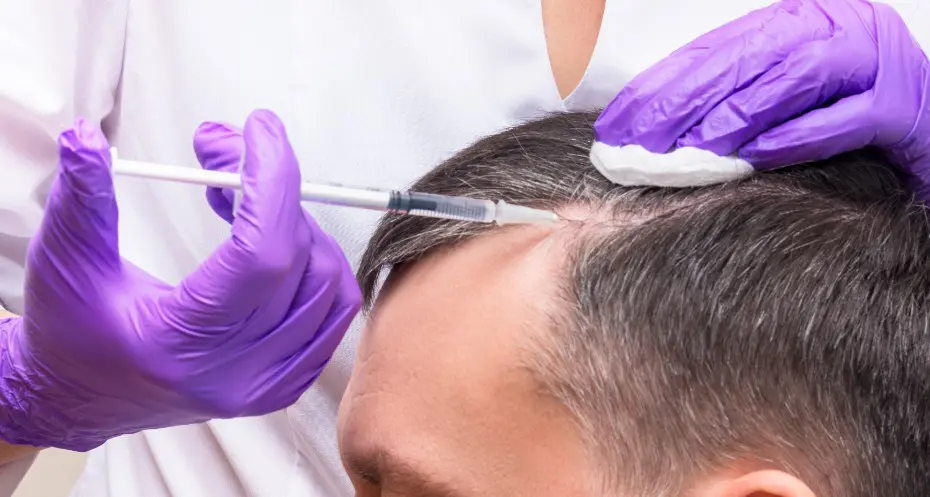
small amount of a patient’s own blood, processing it to concentrate the platelets, and injecting this plasma into areas of thinning or receding hair.
How PRP Therapy Works for Hair Loss
Platelets are blood components that are essential for healing and tissue regeneration. PRP therapy capitalises on the
growth factors found in platelets, which can stimulate hair follicle activity, improve blood flow, and encourage healthier, stronger hair.
The basic steps for PRP therapy in hair restoration are:
Blood Draw: A small amount of blood is taken, usually from the arm.
Centrifugation: The blood is spun in a centrifuge to separate the plasma rich in platelets from the rest of the blood components.
Injection: The platelet-rich plasma is then injected directly into the scalp, targeting areas where hair is thinning.
Each treatment typically takes about 30-60 minutes, and patients may need several sessions spaced a few weeks apart for optimal results. PRP is generally safe because it uses the patient’s own blood, reducing the risk of allergic reactions or complications.
Is PRP Therapy Effective for Hair Loss?
The effectiveness of PRP for hair loss varies based on factors like the individual’s overall health, hair loss cause, and consistency in treatments. Research indicates that PRP can stimulate hair growth, but results are often most significant in individuals with early-stage hair loss rather than severe baldness.
Who Is an deal Candidate for PRP Hair Therapy?
PRP therapy can be effective for people experiencing early-stage hair loss or conditions like androgenetic alopecia (male or female pattern baldness). Candidates should be in good general health and free from certain medical conditions that affect the blood, such as platelet disorders or infections. PRP therapy might not be as effective for individuals with advanced hair loss, severe scalp scarring, or underlying medical issues that directly cause hair thinning.
Pros:
Minimally invasive, natural approach using the body’s own healing capabilities
Low risk of allergies or adverse reactions
No downtime and minimal recovery
Improved hair thickness and density for many users
Cons:
Multiple sessions are usually needed to see results
Results may vary depending on the individual
Not effective for everyone, particularly those with advanced hair loss
Typically not covered by insurance and can be costly.
Cost
Average Annual Cost: £1,500 – £3,000, depending on the clinic and frequency of sessions. This price range provides a general estimate, but checking with local clinics for exact pricing and package deals is always a good idea.
Hair Loss Medications: What is Minoxidil, How does it work & How Effective is it?
What is Minoxidil?
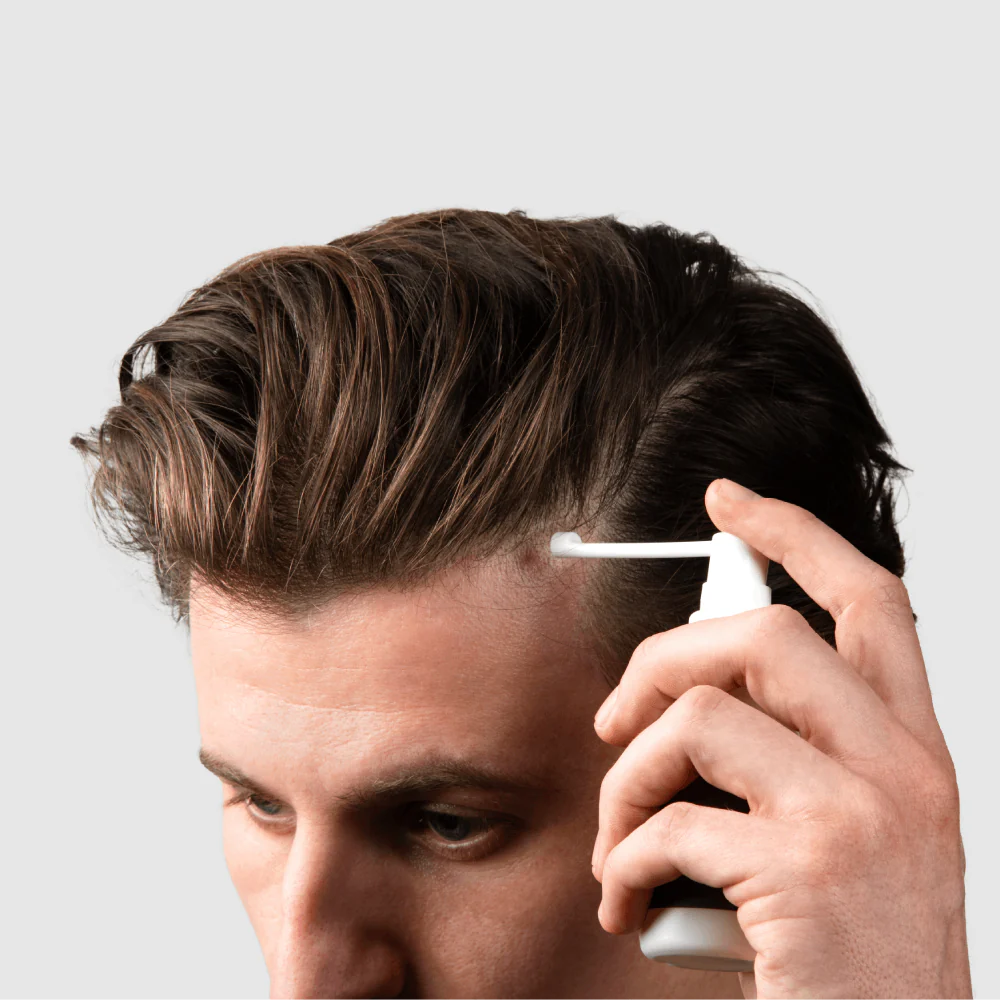
Minoxidil is a vasodilator, which means it widens blood vessels to improve blood flow. Initially, it was developed in pill form to treat high blood pressure, but researchers soon noticed an unusual side effect: increased hair growth on patients’ bodies and scalps. This discovery led to the development of minoxidil as a topical solution for treating hair loss, typically sold in concentrations of 2% and 5% for both men and women. Minoxidil is available under various brand names, the most well-known being Rogaine, and can be found in both liquid and foam forms.
How Does Minoxidil Work?
Although the exact mechanism isn’t fully understood, minoxidil is believed to work through several processes that stimulate hair growth:
I
Increased Blood Flow: When applied to the scalp, minoxidil increases blood flow to hair follicles, providing them with more oxygen and nutrients. This enhanced blood supply is thought to revive dormant hair follicles, potentially encouraging new hair growth.
Prolonged Growth Phase: Hair follicles go through three main phases—anagen (growth), catagen (transitional), and telogen (resting). Minoxidil appears to extend the anagen phase, which means that hair follicles stay in the growth phase longer, allowing hair to grow thicker and longer before shedding.
Stimulating Follicles: Minoxidil is believed to help stimulate miniaturised hair follicles (those that have shrunk due to conditions like androgenetic alopecia) to produce thicker, more resilient strands of hair.
How Effective is Minoxidil?
Effectiveness: Minoxidil works for about 2 out of 3 men. It’s most effective if you’re under age 40 and have only recently started to lose your hair.
Has to be used twice a day, when your hair is dry, apply minoxidil on your scalp where the hair has started to thin. Then be patient. You may not notice changes for 4 months or more.
Minoxidil does not cure baldness. If you stop using it, you will start losing hair again. Your hair may fall out faster than before.
Minoxidil can be an effective treatment for hair loss, but it isn’t a one-size-fits-all solution. It tends to work best for those experiencing genetic or age-related hair loss, particularly in the early stages. Minoxidil’s efficacy decreases over time, so it may not be as effective for those with long-standing hair loss or significant thinning. If you’re unsure whether minoxidil is the right treatment for you, a dermatologist or hair loss specialist can help evaluate your hair type, the cause of your hair loss, and other treatment options. Some may also consider combining minoxidil with other treatments like finasteride, PRP (platelet-rich plasma), or hair transplants for a more comprehensive approach.
You may have redness, itching, dryness, flaking, or other scalp irritation, though this is uncommon. It’s more likely if you use the stronger 5% solution.
Cost
On average, minoxidil users can pay between £30-60 per month. That’s £360-720 per year.
How to Choose The Right Scalp Micropigmentation Clinic (SMP):
Scalp Micropigmentation (SMP) is a highly effective solution for hair loss, offering natural-looking results with minimal downtime. However, achieving the desired outcome heavily depends on selecting the right clinic. Here are some key factors to consider when choosing an SMP clinic:
Check Credentials and Experience
Ensure the clinic is staffed by certified SMP practitioners with substantial experience. Look for specialists trained in advanced techniques and who have a portfolio showcasing diverse cases, including clients with similar hair loss patterns or skin types as yours.
Review Before-and-After Photos
A reputable clinic should provide an extensive gallery of before-and-after photos. Scrutinize these images to assess the quality of their work, paying attention to the precision, natural appearance, and blending of the pigmentation.
Verify Client Testimonials and Reviews
Research online reviews and testimonials to gauge customer satisfaction. Consistently positive feedback can indicate reliability, while negative reviews or complaints about outcomes, hygiene, or professionalism are red flags.
Enquire About Safety and Hygiene Standards
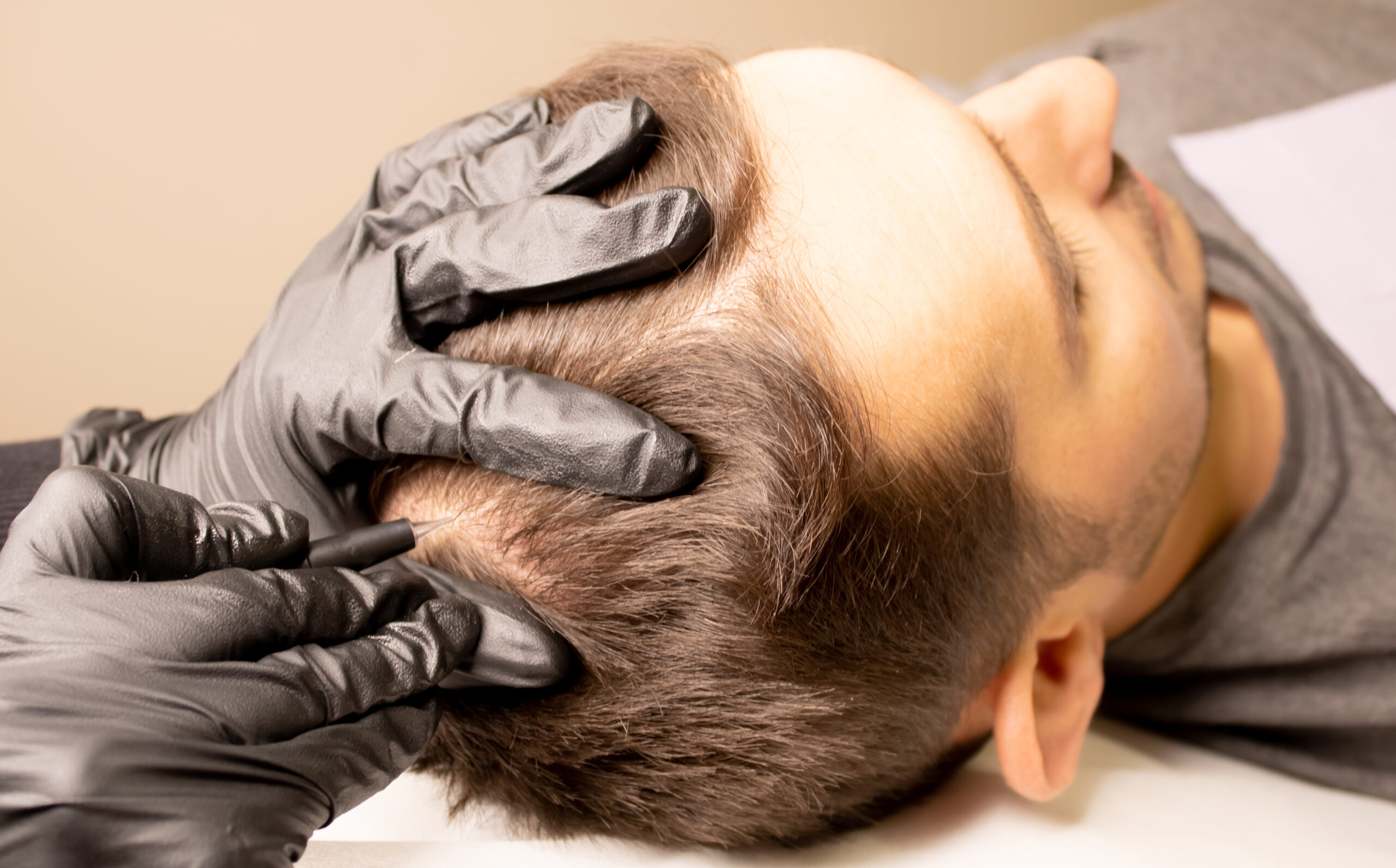
SMP involves micro-needling, so strict hygiene protocols are crucial to prevent infections. Confirm that the clinic uses sterile equipment and follows industry-standard safety measures.
Discuss Customisation Options
Every client has unique needs. A good SMP clinic should tailor its approach to match your specific requirements, including hairline design, density, and pigment colour to complement your skin tone.
Assess Aftercare Support
SMP requires proper aftercare to ensure optimal results. Choose a clinic that provides clear post-procedure guidelines and offers follow-up appointments to address any concerns or touch-ups.
The Cost of Scalp Micropigmentation: What to Expect and Why It’s Worth It
If you’re considering scalp micropigmentation (SMP) as a solution for hair loss, you’ve probably wondered about the cost. While the price may vary depending on several factors, one thing to keep in mind is that SMP is a relatively new industry. As a result, some clinics may overcharge for treatments, so it’s important to do your research and choose a reputable provider.
Additionally, SMP is a highly skilled procedure that requires precision and expertise to achieve realistic and natural-looking results, which can contribute to its cost. Despite these variations, SMP is an investment in your confidence and appearance that offers incredible value compared to other hair restoration options.
How Much Does Scalp Micropigmentation Cost?
The cost of SMP typically ranges between £500 and £3,000 in the UK, depending on the following factors:
Extent of Hair Loss
Full scalp treatments naturally cost more than treatments for small areas like hairline adjustments or crown coverage.
Number of Sessions Required
Most SMP treatments require 2-4 sessions to achieve the desired density and finish. The more sessions needed, the higher the cost.
Clinic Reputation and Artist Expertise
Experienced practitioners with a proven track record often charge more, but their skill ensures a natural and high-quality result.
Geographic Location
SMP clinics in major cities may charge higher fees due to demand and operational costs.
Assess Aftercare Support
SMP requires proper aftercare to ensure optimal results. Choose a clinic that provides clear post-procedure guidelines and offers follow-up appointments to address any concerns or touch-ups.
Does Scalp Micropigmentation Hurt? Pain Level and What to Expect
Scalp micropigmentation (SMP) has gained popularity as an effective solution for hair loss, but one common question that arises is: does it hurt? While pain is subjective and varies from person to person, understanding the procedure, the tools involved, and how to manage discomfort can help ease any concerns. Let’s break it down.
What Does SMP Feel Like?
Most clients describe the sensation as a light scratching or mild stinging feeling. It’s less intense than traditional tattooing because the pigment is deposited at a shallower depth in the skin.
How Does SMP Compare to Hair Transplants?
One of the significant advantages of SMP is the relatively low level of discomfort compared to hair transplant procedures. Hair transplants often involve surgical techniques such as follicular unit extraction (FUE) or follicular unit transplantation (FUT), which require incisions and sutures. These procedures can result in significant pain during recovery, including swelling, soreness, and itching. In contrast, SMP is non-invasive and typically involves only mild discomfort during the procedure and minimal recovery time.
How Painful Is Scalp Micropigmentation?
The level of discomfort experienced during SMP depends on several factors:
Individual Pain Tolerance
Pain thresholds vary widely. Some people find the procedure mildly uncomfortable, while others may experience more noticeable discomfort. Those accustomed to tattoos often report that SMP is less painful.
The Location on the Scalp
Certain areas of the scalp are more sensitive than others. For instance:
Crown and hairline areas: Typically more sensitive due to thinner skin.
Sides and back of the scalp: Often less sensitive and easier to work on.
Type of Equipment Used
SMP practitioners use specialised microneedles that are smaller and gentler than traditional tattoo needles. This reduces trauma to the skin and minimises discomfort.
Practitioner Skill Level
An experienced SMP artist can significantly reduce pain levels by using proper techniques, ensuring even pressure, and working efficiently.
What to Expect After SMP
Post-procedure, it’s normal to experience some redness and mild sensitivity in the treated area, but this usually subsides within a day or two. Following the aftercare instructions provided by your SMP artist can help minimize irritation and ensure a smooth healing process.
Is the Discomfort Worth It?
For most people, the minimal discomfort of SMP is far outweighed by the confidence boost it provides. The natural-looking results can transform the appearance of thinning hair or balding areas, making it a worthwhile investment for many.
Scalp Micropigmentation for Women: Why Women Choose SMP
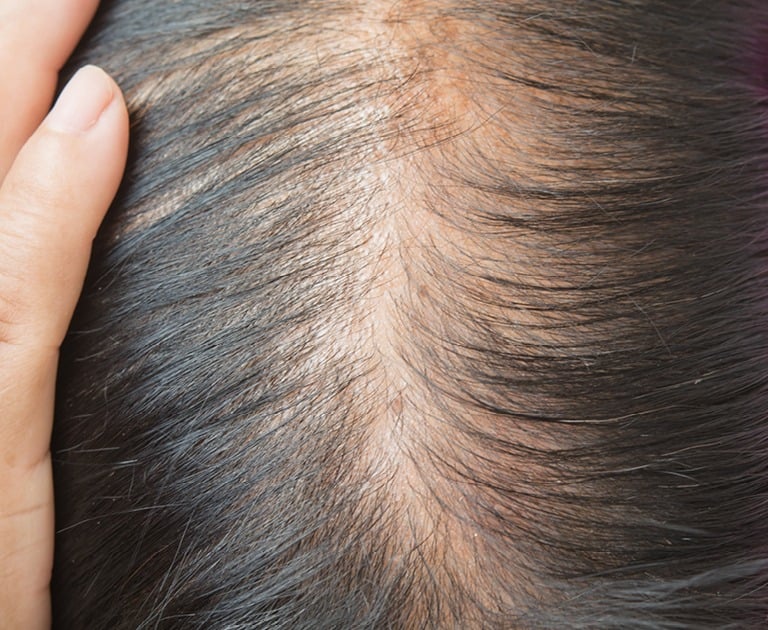
Hair loss is often thought of as a concern exclusive to men, but millions of women worldwide experience thinning hair, bald spots, and receding hairlines. Whether caused by hormonal changes, stress, genetics, or medical conditions, hair loss can take a toll on confidence and self-esteem.
Hair loss in women is often linked to underlying biological factors such as hormonal imbalances (like those seen in menopause or post-pregnancy), autoimmune conditions (such as alopecia areata), and even chronic stress that disrupts the hair growth cycle. Genetics also play a significant role, with many women experiencing hereditary hair thinning as they age. These factors can lead to the shortening of the hair’s growth phase, miniaturization of hair follicles, and, ultimately, visible thinning or bald spots.
For women seeking a practical, long-lasting solution, scalp micropigmentation (SMP) offers a transformative option. This non-surgical treatment creates the appearance of thicker, fuller hair, restoring not only your hairline but also your confidence.
In this blog, we’ll explore how SMP works, the science behind it, and why it’s becoming a go-to option for those dealing with hair loss.
Why Women Choose Scalp Micropigmentation
Hair loss solutions for women often include wigs, hair fibers, or expensive treatments with unpredictable results. Scalp micropigmentation, however, stands out because of its unique benefits:
Instant Results: With SMP, you’ll leave each session with visible improvement. Unlike hair growth treatments that can take months (or even years) to show results, SMP delivers immediate changes.
A Non-Surgical Solution: Many women prefer SMP because it’s non-invasive and doesn’t require the downtime, risks, or scarring associated with hair transplant surgery.
Customisable for Women’s Hair Loss Patterns: SMP for women isn’t just about creating a hairline—it’s designed to fill in thinning areas and blend seamlessly with your existing hair. The result is subtle and natural-looking.
Boosts Confidence: Hair loss can affect your self-esteem, but SMP restores the look of fuller hair, helping you feel confident and beautiful in your own skin.
Low Maintenance: Unlike wigs or hair fibers, SMP doesn’t require daily upkeep. Once the treatment is complete, you’ll only need occasional touch-ups to maintain your look.
How Scalp Micropigmentation Works for Women
SMP for women involves a personalised approach to ensure the results meet your needs. The process typically begins with a consultation to assess your hair loss and design a tailored treatment plan. During each session, tiny dots of pigment are applied using specialised equipment to mimic natural hair follicles, creating the appearance of denser hair. Most women require multiple sessions to build up the desired density and achieve a natural, seamless look.
After each session, simple aftercare instructions—such as avoiding sun exposure and harsh products—help ensure the best results.
The Science of Hair Loss in Women
Hair growth occurs in a cycle with three key phases:
Anagen (Growth Phase): This is the active phase where hair follicles produce new hair.
Catagen (Transition Phase): A short phase where hair growth stops, and follicles shrink.
Telogen (Resting Phase): Hair falls out, and follicles prepare to restart the cycle.
In women experiencing hair loss, this cycle is disrupted. Factors such as hormonal changes (e.g., reduced oestrogen during menopause), autoimmune reactions, or chronic stress can cause hair follicles to remain in the telogen phase, leading to thinning and hair shedding. Additionally, androgenetic alopecia—a common hereditary condition—causes hair follicles to shrink over time, producing finer, shorter strands until growth stops altogether.
SMP addresses these challenges by bypassing the need for hair growth altogether. By implanting pigments directly onto the scalp, it creates the illusion of fuller, thicker hair without depending on follicular activity.
Real Results: Stories of Women Who Chose SMP
Sarah’s Story:
“I started noticing thinning hair in my late 30s. After trying countless products, I was losing hope until I found SMP. The results are incredible—my hair looks fuller, and I’ve regained my confidence. People can’t even tell I’ve had anything done!”
Emma’s Story:
“After struggling with alopecia for years, I decided to try SMP. It’s honestly life-changing. Now I feel comfortable going out without hiding under hats or wigs.”
Is Scalp Micropigmentation Right for You?
If you’re a woman struggling with hair loss, SMP could be the solution you’ve been looking for. It’s non-invasive, cost-effective, and tailored to create a natural, feminine look. Whether you’re dealing with mild thinning or more severe hair loss, SMP can help you feel confident and beautiful again.
Ready to take the first step? Schedule a consultation with our team of expert SMP artists to learn how we can create a customised solution just for you.
FUT & FUE Hair Transplants: Effectiveness, Results & Scarring Explained
What is FUT (Follicular Unit Transplantation)?
FUT, also known as the strip method, involves removing a thin strip of scalp from the donor area (usually the back of the head). The strip is dissected into individual follicular units, which are then implanted into the recipient area.
Pros of FUT:
Yields a high number of grafts in a single session
Generally provides a higher graft survival rate
Ideal for patients requiring extensive hair restoration
Cons of FUT:
Leaves a linear scar on the donor area
Longer recovery period compared to FUE
Potential for more discomfort post-procedure
What is FUE (Follicular Unit Extraction)?
FUE is a more advanced method where individual hair follicles are extracted directly from the scalp using a micro-punch tool and implanted into the balding areas.
What is FUE (Follicular Unit Extraction)?
FUE is a more advanced method where individual hair follicles are extracted directly from the scalp using a micro-punch tool and implanted into the balding areas.
Pros of FUE:
No linear scar; only small, dot-like scars
Faster recovery time
Less discomfort post-surgery
Ideal for those who prefer to wear short hair
Cons of FUE:
Requires a longer procedure time
Slightly lower graft survival rate compared to FUT
May not be ideal for patients needing a large number of grafts in one
Effectiveness & Results
Both FUT and FUE can deliver excellent, natural-looking results when performed by a skilled surgeon. Here’s what you can expect:
Hair Growth Timeline: Transplanted hair typically begins to shed within the first few weeks (shock loss), with new growth appearing around 3–4 months. Full results are visible after 9–12 months.
Survival Rate: FUT grafts tend to have a slightly higher survival rate (90-95%) due to the way they are extracted and preserved. However, FUE still provides excellent results with a survival rate of around 80-90%.
Natural Appearance: Both procedures, when done correctly, provide undetectable results that blend seamlessly with existing hair.
Scarring Comparison
Scarring is a major concern for many considering a hair transplant. Here’s how FUT and FUE differ:
FUT Scarring: Leaves a linear scar that can be hidden under longer hair but may be visible with very short haircuts. The average scar length is around 1–2 mm wide.
FUE Scarring: Leaves tiny, scattered scars that are much less noticeable, even with short hairstyles. Each extraction point is typically less than 1 mm in diameter.
Real Results: Stories of Women Who Chose SMP
Which Procedure is Right for You?
Your choice between FUT and FUE depends on several factors:
Extent of Hair Loss: If you require a large number of grafts, FUT may be the better option.
Lifestyle & Hairstyle Preference: If you prefer short hair, FUE is the more discreet choice.
Scarring Concerns: Those worried about visible scarring may lean towards FUE.
Recovery Time: If you need a quicker recovery, FUE offers a faster healing process.